Tuesday, March 17, 2026

Glyphosate: What you need to know to avoid this pesticide that is sprayed on almost all of your food

 Hello Everyone, 

I'm sorry for my absence however I still want you to know more about how to be healthy and it's link to the food you eat. 

Today I am most grateful to Dr. Peter Osborne for his thoroughly researched video presentation on Glyphosate and as consumers, our big predictament, how to get safe and nutritious food. Glyphosate is not safe and effective and it is pervasive. 

This is a must see video and you will also learn how to protect yourself from it's toxicity: 

Glyphosate Exposed: The Chemical in Your Food (And Why It’s Being Protected)


CeliacBrain (TM) is the trademark and copyright of Dr. Barbara Powell. The right of Dr. Barbara Powell to be identified as the author of this work has been asserted by her in accordance with the Copyright, Patent and Designs Act 1988.
Note that all information on these pages is accurate to the best of our knowledge. Information from secondary sources should be double checked before being cited. Information is not meant to be medical advice. Please see your family doctor if you have concerns.


Wednesday, December 27, 2023

The Connections Between Wheat, Celiac disease, Non-Celiac disease and Mental Health by Psychiatry Redefined

Thank you for reading my blog entries. I hope you find the information helpful. If you do, and if you haven't subscribed by the button on the right, I suggest you do subscribe as this will ensure you get the most recent entry automatically to your email address. I will post as often as I can. 


Psychiatry Redefined is the work of Dr. James Greenblatt, psychiatrist, who is committed to healing mental health issues. 

He writes: "The research on the relationship between the gut and the brain continues to find startling connections and correlations. One condition not often considered as having a relationship with mental health is celiac disease. Normally, celiac disease is considered a cause of intestinal problems due to an inflammatory reaction to eating gluten, a protein found in wheat."

And yet there are strong studies that link eating gluten when one has the condition celiac or non-celiac disease and all sorts of mental health symptoms from depression, addiction, delusions, and frank psychosis. 

Read his article here. It is a four minute read and even highlights the oft missed concept of non-celiac disease, so complicated because there are no biomarkers for this just as serious condition to celiac disease. And twice as common. 

Here is an exerpt: 

Non-Celiac Gluten Sensitivity

It is also worth being aware that a significant subset of patients that react to wheat do not have classic celiac disease or wheat allergy. Non-celiac gluten sensitivity (NCGS) has only recently been identified as a clinical diagnosis. There aren’t currently any biomarkers to identify patients with the condition. Diagnosis is based solely on improvements from a gluten-elimination diet followed by a gluten challenge.

Estimates for the incidence of NCGS in the general population range from 0.6% to 13%. Digestive symptoms often mirror the symptoms of irritable bowel syndrome, but mental-emotional symptoms are also prevalent, with anxiety being reported most commonly (Roszkowska 2019). Depression and brain fog may also be symptoms of NCSG, although better studies are needed to fully confirm the relationship with depression.

Conclusion

Celiac disease and NCGS can cause or contribute to mental-emotional symptoms. While testing for celiac disease can be helpful, a subset of patients that do not have celiac disease likely still react to wheat or gluten. When other options have been eliminated, NCGS should still be considered as a potential diagnosis. For a subset of patients with mental illness, gluten elimination may help to provide a reduction or elimination of symptoms.


How I diagnose celiac disease and non-celiac disease: In 2002 Dr. Farrell wrote in Lancet that there is a role for genetic testing. 

I get persons interested in finding out if they are celiac or non-celiac disease to contact www.enterolab.com     and as a minimum order the genetic tests. These include examination for genes for celiac disease and non-celiac disease. 


To your health

Dr. Barbara 


CeliacBrain (TM) is the trademark and copyright of Dr. Barbara Powell. The right of Dr. Barbara Powell to be identified as the author of this work has been asserted by her in accordance with the Copyright, Patent and Designs Act 1988.
Note that all information on these pages is accurate to the best of our knowledge. Information from secondary sources should be double checked before being cited. Information is not meant to be medical advice. Please see your family doctor if you have concerns.

Welcome to Celiac Brain: 400% Increased Risk of Death if Celiac and Un-diagnosed

I have been studying Celiac disease and its other 
manifestation, gluten sensitivity since 1995. I have become aware of its hidden and virtually unknown consequences. And it is very common. I am a physician, practicing since 1977, and have seen the devastating effects of celiac/gluten sensitivity first hand. I have seen remarkable turnarounds of very seriously ill persons when they have been on a diet free of gluten.


This site is to spread the word of its serious and dangerous nature to those interested, whether you are a physician, other health care professional, or a person in need of more information.


I propose to bring to you the newest in scientific research, links to other reputable celiac disease/gluten sensitivity websites, and other helpful articles or news items.


The most important finding I would like to impress upon all people comes from Dr. Joseph Murray from the Mayo clinic and that is the 400% increased risk of death by age 65 in undiagnosed persons with celiac disease or gluten sensitivity. This information highlights the need to get a diagnosis as early as possible to allow you to reverse the damage, if possible.


And to relax, if you don't have the genetics for celiac or gluten sensitivity. 


I push for ALL to get tested and as early in life as possible. With proper diet and treatment, one can "buy back your time!" and extend ones healthy life span by decades. See Dr. Murray's video.


400% increased risk of death by age 65 in undiagnosed celiacs
Dr.Joseph Murray and his team from the Mayo clinic reported on a small but significant study they published in 2009. Not only was there an astronomically elevated death rate, but they noticed that there has been a 400% increase in the incidence of celiac disease since 1948.

Listen to Dr. Murray::


So get tested and find out if you are one of the 40% of people that are susceptible. The best testing, in my opinion, is a genetic test found at www.enterolab.comI don't have any financial benefit from recommending the company. I have found this testing has revolutionized my practice and my ability to help people.

If you find yourself with gluten sensitivity, go on a gluten free diet, or better yet, the Gut and Psychology Syndrome diet. This diet includes healing foods and nutrients that positively affect the main problems: the damaged bowel and the wrong microbiota, "bugs living in the bowel", malnutrition, poor immune system. 


Untreated celiac or gluten sensitivity leads to increased infections, food allergies of all kinds, epilepsy, rashes, depression, 4 times the rate cancer, inflammed intestines, and 12 times risk of autoimmune diseases like type 1 Diabetes.


To Your Health

Dr. Barbara (TM)
CeliacBrain (TM) is the trademark and copyright of Dr. Barbara Powell. The right of Dr. Barbara Powell to be identified as the author of this work has been asserted by her in accordance with the Copyright, Patent and Designs Act 1988.
Note that all information on these pages is accurate to the best of our knowledge. Information from secondary sources should be double checked before being cited. Information is not meant to be medical advice. Please see your family doctor if you have concerns.

Friday, November 11, 2022

Celiac and Blurred Vision: Get Checked for Macular Degeneration

Thank you for reading my blog entries. I hope you find the information helpful. If you do, and if you haven't subscribed by the button on the right, I suggest you do subscribe as this will ensure you get the most recent entry automatically to your email address. I will post as often as I can. 

Celiac disease is an abnormal autoimmune disease of the connective tissues. It can be triggered any time and leads to damaged intestines and malabsorption. And over 200 medical conditions. 

The most difficult nutrients to absorb are fat soluble vitamins such as vitamin D, A, E and K. These vitamins can evaluated on testing and people with celiac commonly have low levels. Macular Degeneration has been shown in many peer reviewed research to respond to nutritional measures and to lifestyle changes. Especially to the addition to the diet of carotenoids such as lutein, and zeaxanthin: yellow fat soluble vitamins, and zinc.

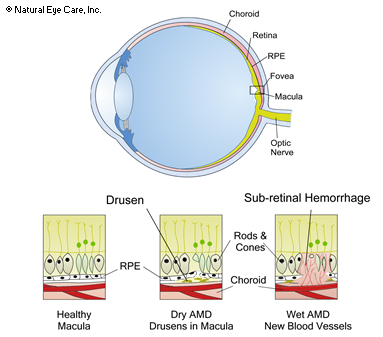
Yellow absorbs blue light from our environment which is important as blue light damages the retina and reduces our ability to make melatonin (thereby interrupting good sleep). There is a high concentration of lutein and zeaxanthin in the macula of the eye which supply yellow to absorb blue light. What if one has poor absorption and poor concentrations of yellow lutein and zeaxanthin in the back of the eye. That may lead to blue light damaging the retina. And when part of the retina called the macula is damaged, there is the slow deterioration of ones central vision, the point where ones vision is most exact. Peripheral or side vision is spared, but one finds it more difficult to read, write, drive, and recognize faces. This damage might look like the deposit of drusens ( see below)  and this is called macular degeneration or sometimes referred to as ARMD.  


In the end, if you have tested positive for celiac disease or gluten sensitivity, change your diet to one  grain free, sugar free, legume free diet called GAPS, and take fat soluble vitamins and omega 3 high supplements. One may need the help of digestive enzymes as the pancreas ( also affect by the connective tissue issues) often can't make enough digestive enzymes to digest the food nor can the liver make enough bile. If in doubt get tested for markers of malnutrition, vitamin A, D, E and K levels and inflammation markers like CRP-HS. 

People with Celiac disease have higher risks of other risk factors for ARMD such as:
- higher risk of high homocysteine (from higher risk of having MTHFR variations, and low vitamin B12 from antibodies to the parietal cells of the stomach, so absorption is impaired, or low folate levels)
-higher rates of microvascular impairment and poorer circulation, in this case affecting the eyes. 
-higher rates of addiction such as smoking, and smoking is an added risk for the development of ARMD.
-higher rates of oxidative stress and free radicals because of higher rates of MTHFR variations which causes the formation of free radicals that damage.
-higher rates of inflammation from high omega 6/3 ratio (not getting and absorbing enough omega 3's), genetics, but also gluten ingestion whether by choice or accidental. Gluten free packaged foods have a higher rate of contamination, for example 40% of GF breakfast cereals are contaminated. I recommend a grain free diet. 


If you should find yourself having visual difficulties, don't wait!  Make an appointment to be  examined by a specialist in eye health. 

If you are interested in an introduction to Macular Degeneration, I found a good article written by Dr. Grossman at https://www.naturaleyecare.com/eye-conditions/macular-degeneration/
Here is an exerpt: 

Macular Degeneration (ARMD, or MD)

Blindness is not inevitable for people who have ARMD. There is a large amount of peer review research showing ARMD to be a nutritional and lifestyle responsive eye disease, meaning that you can stabilize and possibly even improve your vision with healthy lifestyle choices.

Most people with ARMD have dry macular degeneration. In dry macular degeneration tiny, yellow drusens develop. Drusens are accumulations of fatty, yellow material that form in the macula and people with ARMD have more and larger drusens than what is common with aging. They are thought to be comprised of waste proteins and lipids (oily material) that begin to accumulate due to poor circulation and waste-flushing in the eye. Antioxidants are important for the normal waste-clearing process. The drusen slowly crowd, distort, or break the cells in the macula leading to deterioration and resulting in blurred vision. Because drusen also include immune-system regulating molecules, it is thought that they are part of the immune system.3

The second type of macular degeneration is the "wet" form, (also known as choroidal neovascularization) in which new blood vessels begin to develop near the macula, causing fast and serious vision loss. Wet macular degeneration can result from progression of dry macular degeneration, left untreated, and affects about 10% of macular degeneration patients.

If AMD is found first in one eye, the other eye follows the same progression. This is because the nutrient deficiencies and other system-wide problems would exist in both eyes but manifest in one eye before the other..
...end of exerpt.

Read the whole article which covers: gender, prescription drugs linked to MD, Pathology, symptoms, causes, biochemistry and lifestyle issues. 

If you are diagnosed with macular degeneration, follow your specialists advise about lifestyle, protecting your eyes from harmful light waves and nutritional supplementation. There seems to be a roll to increase the microvascular circulation of the eye with herbs, acupuncture, laser, and microcurrent stimulation (as described in the book by Dr. Edward Kondrot). 

To your health
Dr. Barbara 


 This is thanks to Dr. Hertoghe on the subject of Longevity.

 Something to pay attention to if you are interested in healthy longevity.  Thank you for reading my blog. If you share the blog please mention that you can get the next new entry automatically to your email address if you subscribe. 

Are you ready to learn thought-provoking information?
 

| Did you know that men over 48 with high hostility are 10 times more likely to die, which can mean 30 years less life?

| Did you know that the two greatest factors that explain why some people become centenarians are positive psychological attitudes and a low-calorie diet?

| Did you know that by improving your emotions and your psychological attitudes you can live 10 to 20 years longer, while improving the diet 5 to 10 years longer? 

| Did you know that men reporting high levels of worry are twice as likely to have myocardial infarction and have 50% more risk of dying from myocardial infarction ?
 
| Did you know that without cortisol people die within 24 hours with severe hypoglycemia and a severe drop in blood pressure?
 

| Did you know that testosterone therapy and even more growth hormone therapy may help to substantially live longer?
 
| Did you know that estrogen therapy may help women with breast cancer live considerably longer?

| Did you know that maintaining optimal kidney function is a factor in long life?

Wednesday, March 20, 2019

Extra Virgin Olive Oil is among the most healthiest natural oils- Suzy Cohen

I believe extra virgin olive oil (EVOO) is among the most healthiest natural oils you can consume. There are so many benefits of EVOO. It has been shown to reduce the risk of cancer and of stroke. I don't recommend the use of vegetable oil, rapeseed oil, canola oil or even organic canola oil. I do recommend olive oil, grape seed, avocado, tea seed and pumpkin seed oil. I am also a fan of good quality butter. 

When it comes to buying EVOO though you do have to be a wise shopper because it is hard to find real, 100% EVOO. See my article on this subject here.

Buying pure EVOO is especially important if you are trying to follow a Mediterranean diet because much of the benefits of the Mediterranean diet is from the EVOO.

To find out more about the benefits of EVOO see this exerpt from Suzy Cohen's article:

Olive Oil Reduces Cancer and Risk of Stroke

Olives are something I’m fanatic about. I’ll eat any kind, any flavor, and time of day or night! I’m obsessed with them.

Olive oil is the liquid fat which comes from the olive tree. It is extremely high in oleic acid, which is known to reduce blood pressure. It also contains a good amount of natural vitamin E, carotenoids and oleuropein. That compound has strong anticancer and anti-inflammatory effects.

Olives are fruits, and both the fruit and the oil have medicinal benefits. The main active ingredient in olive oil is oleic acid, some phenols and squalene.


Extra virgin olive oil or EVOO is sometimes referred to as cold-pressed. This type of oil is higher quality, better flavor and lower acidity than plain olive oil. When you see “extra virgin” on the label, that means something good. It means that the oil was mechanically pressed out of the olives, as opposed to using a bunch of chemicals to extract it. When the oil is squeezed and pressed from the olives mechanically, the vitamins, amino acids and fatty acids are not destroyed.


As far as the phenols go, the main ones are hydroxytyrosol and oleuropein. I give you their names so you can look up all the medical(TM) research at pubmed, and see all the incredible studies that prove pharmacological value when it comes to activities. These include:

To find out what studies have shown about the links to improved health and longevity see the rest of the article here.  What I really like about EVOO is it's link to reducing the risk of cancer and stroke. 

To Your Health
Dr. Barbara (TM)
Celiacbrain.blogspot.com (TM)

Sunday, February 10, 2019

Can Blood Pressure Medicine cause Celiac Disease?

The evidence is mounting that certain BP meds do cause enteropathy. If on a blood pressure medicine one develops diarrhea, nausea, vomiting or weight loss you should be aware it may be "drug induced" celiac sprue. And by changing medicines, the problem may go away. 


Read Dr. Osborne's expose. 

To Your Health 
Dr. Barbara (TM)
CeliacBrain.blogspot.com (TM)

Thursday, December 20, 2018

Cold or flu? Top Ten Natural Anti- Viral Agents, Ontario Association of Naturopathic Doctors

Since people with gluten sensitivity and celiac disease are considered "immuno-compromised", meaning they get infections more easily than the next person, it is a good idea to have a few tricks and tools to get over an infection. 

The most common infections are viral, like colds and flu's.

Here is a report from the Ontario Association of Naturopathic Doctors on the top natural anti-viral agents. Use three or four of them at the same time to counter a cold or flu. And if you are not getting better or have worsening symptoms, see your doctor. 


Winter is the time of year when we seem to be particularly vulnerable to all kinds of illnesses that are caused by viruses including colds, flu and cold sores. A virus is not to be confused with bacteria, which causes infection. Viruses are tiny bits of nucleic acids that contain information and use your body’s cells to create more copies of themselves.

There are very few treatments, allopathic or natural that can kill a virus outright, as usually a virus must run its course. However the list of natural remedies here come as close to stopping a virus in its tracks as Mother Nature can get.

COLLOIDAL SILVER

Silver has been utilized as a medicine since ancient times to treat scores of ailments, including the bubonic plague.


To Your Health
Dr. Barbara (TM)
Celiacbrain.blogspot.com (TM)

Wednesday, November 29, 2017

Do You Have a Gluten-Free Emergency Food Kit?

I have had an emergency "gluten free" small food kit for several years now which I keep in the car. I think if you are celiac or non-celiac gluten sensitive you should consider two types of kits:
One that has three or four meals in it, used for when you get stuck away from your home and your gluten free (GF) supplies, like if you are waiting in a hospital emergency department or admitted to hospital. It can take a few days after admission for the GF diet and meal plan to be arranged. Or if you find yourself suddenly changing plans or helping someone else and you need to eat. 

The second kit would be to supply meals for an extended period of time, a "survival" kit. Here where I live there have been severe floods,or ice storms and people want to stay in their houses. Making it difficult to go out to a store and there may or may not be services like phone or electricity. 


When making a GF emergency food kit, I do suggest:
- that there be a can opener in the kit. In the three or four meal kit, the small kit, I have cans that have pull tabs to allow me to open the can without a can opener. This keeps the portable kit that much lighter. My pantry has water and emergency food, with portable heavy duty can openers.

- Just in case buy or make provisions that can be eaten without the need for cooking. Peanut butter and crackers, or jerky or canned soups or canned vegetables. You may not have easy access to electricity. If you can, have a small camping stove available with enough fuel for a few days. 

- for severe or prolonged emergencies, you and your family need a good source of fat. One that does not go rancid quickly, such as coconut oil. Dark bottles of olive oil. If you have a freezer for storage, available to you, keep GF hot dogs and sausages. A freezer will stay cold for a few days without electricity, so the food will stay frozen for awhile. Yes, I have experienced a few black outs, and as long as you keep the lid closed, the food will stay frozen. Especially when the outdoor temperature is below freezing. 

- And do rotate out the food every 3 months or so replacing the older food with newer foods. 

- You can personalize the emergency kit to a GAPS protocol too. Grain free crackers may be pricey so you can make your favourite bread and slice it thinly and dehydrate the bread slices. They keep well in an air tight container or bag. Or make crackers. 

And don't forget "potted" bread which is bread in a vacuum sealed jar. You take your favourite GF bread recipe and a dry and sterilized pint jar used for preserving. Put enough bread dough in the jar to up to 2/3 the height of the jar and bake it as you would normally. It will be baked through much sooner than a full loaf of bread so watch for it to be done in about 20 minutes. When it is ready, it will have stopped rising and you can see dry bubbles through the glass. Remove from oven, and seal with sealing top. As it cools a vacuum will seal it air tight.  This will last at least half a year. ( I have put a jar of "potted" bread in my checked luggage when travelling, just in case I got stuck with out GF supplies and it works nicely.)

- I just found out about GlutenFreeEmergencyKit and I hope to try it out soon. It is not GAPS or Paleo friendly but there are bio-hacks available if one has to eat grains. This is a subject for a future blog entry. (hint: fermenting, specialized digestive enzymes and probiotics would be fundamental).

The following article from Celiac.com gives advice on how to prepare a  "survival" kit.
Celiac.com 11/24/2

017 - Do you have an emergency survival kit at home should disaster strike? Does that include drinking water and gluten-free provisions for at least a few days?

The fallout from the latest string of disasters still looms over parts of America; over Houston, Florida and neighboring states devastated by Hurricanes and by resulting floods; and over northern California communities devastated by wildfires.

That got us thinking about emergency kits. Gluten-Free-free emergency kits, to be precise.

What's in Your Emergency Gluten-Free Food Kit? This list is by no means authoritative or final. In fact, we are inviting you to share any favorites or ideas you may have for your own emergency kit.

Your Gluten-free Emergency Kit should include the following:

Water: You'll need a minimum of 3 days worth of drinking water for ever person. This includes water for cooking and other non-drinking uses. When it comes to water, it never hurts to have more than you need, so consider stocking even more than a 3 day supply.

Food: When assembling a survival kit, you want to put together a kit that will feed each family member family 2 cups of prepared meals 3 times a day. Canned foods like black beans are essential.


To Your Health
Dr. Barbara (TM)
CeliacBrain.blogspot.com (TM)

Monday, November 13, 2017

Celiac Disease Increases Cardiovascular Disease Risk- World Journal of Cardiology


A few years back I heard Dr. Houston, cardiologist say that 50% of heart 
attacks are from eating gluten in someone who is an untreated person with celiac disease, that is they are celiac (CD) and were not eating a gluten free diet either because they were undiagnosed or they were not serious about the treatment for CD which is a gluten free diet.

This figure shocked me at the time. Not now.

The August 2017 issue of World Journal of Cardiology published a review article worth reading, entitled Cardiovascular involvement in celiac disease. This review article delves into current research and knowledge about untreated celiac disease and its systemic effects on the heart and circulatory system. Read carefully: untreated celiac disease.   Gluten free diet did show in many studies to improve the condition. 

Celiac disease is a public health issue and more people need to be screened and diagnosed. If for every celiac diagnosed there are 13 to 31 people not diagnosed according to research on the incidence, then there are a lot of people with undiagnosed CD.

Here is an excerpt from a review of that paper by Linda J. Dobberstein, Chiropractor in the news letter Wellness Resources.   Bold is mine,


"Since 2000, increasing evidence points to several common cardiovascular diseases related to gluten intolerance and celiac disease. Celiac disease is an autoimmune disorder that affects millions of Americans, with many of whom are undiagnosed. There is, however, more to celiac disease than gastrointestinal symptoms.

Celiac disease is due to the immune system attacking the intestinal tract after gluten is consumed. Gluten is a protein found in wheat, rye, and barley. Classic celiac disease symptoms include diarrhea, bloating, gas, heartburn, indigestion, cramping, nausea, vomiting, fatigue, anemia, and weight loss.

Several cardiovascular disorders have been linked or found to be higher in individuals with untreated celiac disease. These disorders include cardiomyopathy, myocarditis, arrhythmias, atrial fibrillation, heart attacks, atherosclerosis, POTS, and several other cardiovascular disorders. Evidence shows that these cardiac disorders are more common in individuals with celiac disease than those without the disorder...........Here is a brief synopsis on this topic".

She goes onto summarizing the original review. Get the gist of the topic which demonstrates there are dozens of variations of cardiovascular and stroke risks associated with CD and eating gluten. And it affects all age groups including children.


Good news is that the gluten free diet has been shown to improve the conditions when it was studied. 
If you are not sure if you are celiac or gluten sensitive get tested. 
50% of people with celiac disease don't have GI or gastrointestinal problems, but have problems in other parts of the body including mental health issues. 
Be safe rather than sorry and get tested. 

To Your Health

Dr. Barbara (TM)
Celiacbrain.blogspot.com (TM)

Monday, October 23, 2017

Are Doctors Missing 90% of Celiac Disease Cases?-From Celiac.com


by Jefferson Adams of Celiac.com


If a new study by Canadian nutrition researchers is any indication, most cases of celiac disease remain undiagnosed.


Celiac.com 10/20/2017 - Are doctors even getting close to diagnosing the actual number of cases of celiac disease? Or are they missing the vast majority?

Researchers have said for some time that there are far more people with celiac disease than are being diagnosed, and that the vast majority of cases go undiagnosed.

So, just how far are we from the actual number? Well, if a new study by Canadian nutrition researchers is any indication, doctors are very far from diagnosing most cases.

The team studied the blood work of nearly 3,000 people, and their conclusions are stunning. They say that ninety percent of celiac cases go undiagnosed.

How could this be? One reason is that even classic celiac disease symptom, such as abdominal pain, bloating, gas, diarrhea, anemia and weight loss can mimic other conditions. Less classic symptoms such as fatigue, low vitamin C, D and calcium levels can be misleading.

Ahmed El-Sohemy, a professor of nutritional science at the University of Toronto, wanted to see whether celiac disease results in subpar nutrition because of poorer absorption of vitamins and minerals. But to find out, he needed Canadian data on the frequency of undiagnosed celiac disease.

To that end, El-Sohemy and his colleagues checked blood samples from more than 2,800 individuals in Toronto. One group had an average age of 23, and the other 45. Among their findings is likely ~1%, with 87% of cases being undiagnosed. These findings suggest the need for better screening in high genetic risk groups.

Source:
BMJOPEN.com


To Your Health
Dr. Barbara (TM)
Celiacbrain.blogspot.com (TM)

Saturday, September 9, 2017

Complete Remission of Psychiatric Symptoms with Vitamin B12 -Case Study in Literature. Encore


Today I was asked by a 70 year old friend if there is anything he could do to feel better as he was being treated for depression and he is feeling unwell and tired on some of the medicine he is prescribed. 


I told him to talk to his doctor if he hasn't already done so, not to stop any medication until he has talked it over with his doctor and to learn more about B12. 

The subject is so important as we age that I thought that I would re-published this blog entry. Do take the time to open the link at the end with Dr. Prousky's award winning article on B12 and why it is important to at least try a few doses of B12 by injection as a trial to see if this makes a positive difference to your symptoms, especially mental health symptoms like fatigue, depression, or others. 


B12 deficiency rates are high in all people especially with gluten sensitivity. I list a number of mechanisms:

-low stomach acid ( achlorhydria) from an autoimmune process (Gluten sensitive people have 12 times the rate of autoimmune disorders) or from drugs like metformin and proton pump inhibitors.
-antibodies to intrinsic factor, disabling the protein that carries B12 from the GI system into the bloodstream.
- dietary restrictions.
- higher B12 needs because of methylation gene abnormalities called MTHFR.
- and brain fluid called cerebrospinal fluid (CSF) may have a much lower level of B12 because of an impaired blood brain barrier and so the brain function may be impaired.


All these factors also make it tricky to take oral B12 and expect it to increase the amount of B12 in the brain, where you want it.The blood level does not accurately reflect the level of B12 in the CSF. ( van Tiggelen CJM, Peperkamp JPC, Tertoolen JFW. Vitamin B12 levels of cerebrospinal fluid in patients with organic mental disorders. J Orthomolec Psych. 1983;12:305–311.)

I would like to report the case of a man in his early thirties who came into my practice a few months after he was admitted to a psychiatric facility for 6 weeks. He had refused all medication, and after being assess as a person with schizoaffective disorder he was discharged in much the same condition. I placed him on a gluten free diet while testing proceeded, but this was easy as he was living with his parents and his mother was on a gluten free diet already. It was difficult to get testing done but when it was done it was clear he was vitamin B12 deficient,( and his hospital notes revealed the same thing). And he had two genes for celiac disease.

He had suffered for years with mood swings, lethargy, and intermittent perceptual disturbances and had been prescribed psychotropic drugs on and off. He was never suicidal although this symptom is common in gluten sensitive individuals.

On the gluten free diet, he was having less negative symptoms, but there was a noticeable improvement when he self administered B12 shots. He has had periods of going off B12 shots, but his family members notice and remind him to give himself a shot. When taking shots regularly, he is alert, oriented, and has a stable romantic relationship. He is looking for work in his field.

In the literature we find a severe case of psychiatric symptoms where B12 was the only additional treatment that gave complete remission. I don't find B12 deficiency unusual as a cause of mental symptoms. For testing I use homocysteine and urinary methylmalonic acid measurements as I find serum B12 measurements unreliable and it can miss methylation polymorphisms ( which has an prevalence in my practice of 76% for at least one SNP of c677T or a1298c). I will also do a trial of IM or Subcutaneous B12, and see what happens. If people feel better after the B12 the next step is to find the frequency. Some people need a shot a day but this is unusual.( this indicates multiple methylation polymorphisms, and/or heavy metal intoxication and/or active autoimmune disorders blocking B12 from going easily through the blood brain barrier, leading to low brain levels of B12.And needing more help). I recommend folate with B12 shots to avoid folate deficiency, in the form of a good B complex, with or without NAC.

Here is what Dr. Kelly Brogan, a psychiatrist has to say about B12 and mental health:

"If this is not a wake up call to the average psychiatric prescriber, I’m not sure
what is. Much of what we attribute to serotonin and dopamine “deficiencies” melts away under the investigative eye of a more personalized style of medicine that seeks to identify hormonal, nutritional, and immune imbalances that can “look” psychiatric in nature.

How can B12 impact brain health?
B12 supports myelin (which allows nerve impulses to conduct) and when this vitamin is deficient, has been suspected to drive symptoms such as dementia, multiple sclerosis, impaired gait, and sensation. Clinically, B12 may be best-known for its role in red blood cell production. Deficiency states may result in pernicious anemia. But what about B12’s role in psychiatric symptoms such as depression, anxiety, fatigue, and even psychosis?


The one-carbon cycle refers to the body’s use of B vitamins as “methylators” in DNA synthesis and the management of gene expression. There are three concepts that relate to B12’s role in chronic, long-latency neuropsychiatric syndromes:
1. Methylation
This process of marking genes for expression, like little “read me!” signs, is also critical for detox and elimination of chemicals and hormones (estrogen), building and metabolizing neurotransmitters, and producing energy and cell membranes.

2. Homocysteine recycling
B12 is a primary player in the one-carbon cycle and a co-factor for the methylation, by activated folate, of homocysteine, to recycle it back to methionine. From there, SAMe is produced, the body’s busiest methyl donor.
3. Genetic override
Sufficient supply of an activated/bioavailable form of a vitamin (ie methylfolate vs folic acid) is even more necessary in the setting of gene variants such as transcobalamin II, MTHFR, and MTRR which may function less optimally in certain individuals and result in pathology under stress. An example of this is a report of death in a B12-deficient patient with genetic variants who underwent anesthesia with nitrous oxide (which causes stress to the system). Notably the B12 blood level was normal, so this fatal case was attributed to functional deficiency, suggesting that access to B vitamins may not always guarantee proper utilization. For this reason, supplementing with activated forms of B vitamins enhances their likelihood of effectively supporting cellular processes."

Read her take on testing and causes of vitamin B12 deficiencies.


If you are interested in the scientific studies, see Dr. Prousky's award winning article on the rational of using B12 therapeutically for psychiatric conditions, even in the absence of "classical" deficiency.


In conclusion: if you are not feeling 100%, it could be B12.


To Your Health
Dr. Barbara (TM)
Celiacbrain.blogspot.com  (TM)

Tuesday, August 8, 2017

Gluten-free Products ‘Not as Healthy’ as Conventional, New Study


So you have found out your are gluten sensitive or celiac and you want to eat healthy but just don't have the time to cook or bake everything from scratch which is what is demanded by the Gut and psychology syndrome protocol (GAPS) or Paleo way of eating.

And you don't want to give up croissants, Pizza, battered fish or crispy cookies. So you eat advertised gluten free versions of these. I don't recommend them for many reasons that I have written about extensively but there is another reason: often lower nutritional value to conventional products.

A new study focuses on fat, sugar, salt and fiber contents and that is good to know. But we must also remember wheat flour in conventional products are fortified with folic acid. And many breakfast cereals and other grain products (non-gluten) are fortified with B vitamins and other nutrients that gluten free products are not.

Read more about the new study out of the Netherlands that looks at fat, sugar, salt and fiber content of gluten free packaged foods here:


Gluten-free products ‘not as healthy’ as conventional

By Katy Askew, 08-Aug-2017


A new study has found gluten-free products are often not as healthy as their conventional counterparts.

http://www.nutraingredients.com/Research/Gluten-free-products-not-as-healthy-as-conventional


To Your Health

Dr. Barbara (TM)

CeliacBrain.blogspot.com (TM)


Saturday, August 5, 2017

Infographic on Dementia Prevention, Intervention and Care by The Lancet


 See the original at http://www.thelancet.com/infographics/dementia2017    

The experts agree there are some things we could do to lower our risk of dementia: get as much education in our early years as possible, treat hypertension, diabetes, hearing loss, depression, increase our physical activity at any age, do what it takes to be in the healthy range of weight, and be social. 

What you eat plays an important part in most of these modifiable risk factors. Don't assume that eating grains is part of your healthy diet. 

Find out if you are gluten sensitive and go on  a true gluten free diet such as the Gut and Psychology Syndrome protocol (GAPS) or specific carbohydrate diet which has been around for over 80 years and studied extensively. 


Cut and paste the following links for more information and the original article.


<img src="http://www.thelancet.com/pb/assets/raw/Lancet/infographics/dementia-2017/dementia_infog_600w.jpg" width="600px"/>
<br/>
Read the full Lancet Dementia 2017 Commission:
<a href="http://www.thelancet.com/commissions/dementia2017" title="The Lancet: Dementia prevention, intervention, and care" style="color:#0000FF;text-align:left"> The Lancet: Dementia prevention, intervention, and care</a>


To Your Health
Dr. Barbara (TM)
Celiacbrain.blogspot.com (TM)

Friday, July 21, 2017

Combat Autoimmune Illness and Low Immunity: Immune Defense Summit

I am very hesitant to recommend any "summit" especially one that I have not previewed. I am making an exception here as I believe there will be good information in it. Those people with celiac disease and gluten sensitivity are immunocompromised which means they are at higher risk of catching an infection with a virus, bacteria, parasite or fungus. And at a higher risk of not fighting it off. If you can help yourself improve your immunity or even forestall complications from such things as colds, flu's or risks of infections such as post antibiotic diarrhea, then you are ahead of the game. 


Immune Defense Summit
Your best defense against today’s (and tomorrow’s) global health threats is a strong immune system. Yet, too many still remain uninformed about the best protocols to prevent illness and defeat diseases like autoimmune disorders, cancer, heart disease and the looming threat of "super bugs," which are on pace to be MORE deadly than any other health condition. Once you have the infection, it's much harder to eradicate.
Learn how to build a strong immune system NOW! 
Register here for The Immune Defense Summit
WHY ATTEND?
36 of the world’s top experts in integrative medicine and science are here to discuss the strengthening of your immune system to help protect you from all types of diseases, including autoimmune disorders, cancer, heart disease, dementia and even common pathogens like the flu, measles and pneumonia.
 Own all of the expert talks to watch at your own pace (plus, your purchase helps to create more of these valuable health talks!): Click here
The Immune Defense Summit will teach you about:
  • Infectious disease solutions (without toxic drugs!)
  • Latest advances in immune protective protocols
  • How to stop the threat of colds, flu and pneumonia
  • Alarming vaccine news (and safe alternatives!)
  • Strategies to reverse disease symptoms at the root cause
And more!
The Immune Defense Summit is online and free from July 24-31, 2017!

To Your Health
Dr. Barbara (TM)
CeliacBrain (TM)
Celiacbrain.blogspot.com (TM)