Friday, June 1, 2012

Welcome to Celiac Brain: 400% increased risk of death in undiagnosed

I have been studying Celiac disease and its other manifestation, gluten sensitivity since 1995 and I have become aware of its serious, dangerous, hidden and virtually unknown consequences. I am a physician, practising since 1977, and have seen the devastating effects of celiac/gluten sensitivity and I have seen the remarkable turn around of very seriously ill persons when they have been on a diet free of gluten.


This site is to spread the word of its serious and dangerous nature to those interested whether you are a physician, other health care professional, or a person in need of more information.


I propose to bring to you the newest in scientific research, links to other reputable celiac disease/gluten sensitivity websites, and other helpful articles or news items.


The most important finding I would like to impress upon all people comes from Dr. Joseph Murray from the Mayo clinic and that is the 400% increased risk of death by age 65 in undiagnosed persons with celiac disease or gluten sensitivity.


I push for ALL to get tested and as early in life as possible. With proper diet and treatment, one can "buy back your time!" and extend ones healthy life span by decades. See Dr. Murray's video.


400% increased risk of death by age 65 in undiagnosed celiacs
Dr.Joseph Murray and his team from the Mayo clinic reported on a small but significant study they published in 2009. Not only was there an astronomically elevated death rate, but they noticed that there has been a 400% increase in the incidence of celiac disease since 1948.

Listen to Dr. Murray::


So get tested and find out if you are one of the 40% of people that are susceptible. The best testing, in my opinion, is at www.enterolab.com. I don't have any financial benefit from recommending the company. I have found this testing has revolutionized my practice and my ability to help people.


If you find yourself with gluten sensitivity, go on a gluten free diet, or better yet, a diet that limits your dangerous carbohydrates: the Gut and Psychology Syndrome diet. This diet also includes healing foods and nutrients that heal the main problems: malnutrition, poor immune system which leads to increased infections, food allergies of all kinds and cancer, inflamed intestines, abnormal organisms growing in the bowel, 12 times risk of autoimmune diseases, present and future.

Note that all information on these pages is accurate to the best of our knowledge. Information from secondary sources should be double checked before being cited. 

CENTER FOR CELIAC RESEARCH AND DR. FASANO ON DOMINO’S PIZZA

There has been a lot of press lately about Domino's Gluten free pizza. According to the company's statement, Domino's found that while the crust is certified as gluten free, current store operations at Domino's
can not guarantee that each hand crafted pizza is gluten free.

The Center for Celiac Research at the University of Maryland, lead by Dr. Fasano MD, has issued a paper on this subject on May 11, 2012. Read below or click here. 

CENTER FOR CELIAC RESEARCH STATEMENT ON DOMINO’S PIZZA


Friday, May 11, 2012
On May 7th, Domino’s Pizza began selling a new product the company describes as: “Domino’s pizza made with a gluten-free crust.” The launch of this new product into the U.S. market has generated some confusion, particularly in the celiac disease community, about the safety of this product for people with gluten-related disorders. According to the company’s statement, Domino’s found that while the crust is certified as gluten-free, current store operations at Domino’s cannot guarantee that each handcrafted pizza will be completely free from gluten. The Center for Celiac Research has been asked its position on the matter, and hopes to alleviate some confusion with this statement.

While the development of safe gluten-free products and safe dining establishments is always a welcome advance, we do not have the confidence that this product meets the safety standards we recommend for our patients. The introduction of cross contamination from a large chain like Domino’s represents a threat to our patients affected by gluten-related disorders, including celiac disease, gluten sensitivity, dermatitis herpetiformis (a skin condition), wheat allergy and gluten ataxia. As an international celiac research center with expertise in gluten-related disorders, we believe that individuals who have been diagnosed with a gluten-related disorder should NOT consume this product.
In many restaurant and dining establishments with a high risk of cross-contamination, it simply becomes too risky for patients with gluten-related disorders to remain gluten-free. Cross-contamination occurs when gluten-free foods come into contact with utensils, surfaces or foods that contain gluten. It’s a very real concern for many of our patients, including some who suffer from gluten sensitivity.

Additionally, we are still waiting for the U.S. Food and Drug Administration to resolve the issue of safe threshold levels of gluten to be used in food labeling. Based on this threshold definition, we will be able to classify products as either safe or not safe, and, therefore, not suitable for consumption by people affected by gluten-related disorders. Based on Domino's statement, we can assume that their pizza is not safe and, therefore, should not be consumed by patients affected by gluten-related disorders. For more information please visit our websitewww.celiaccenter.org.


Alessio Fasano, M.D.
Director
Center for Celiac Research
University of Maryland
Baltimore, MD

Thursday, May 31, 2012

Why Was My Biopsy Negative, When I Know Gluten Makes Me Sick? AGA Guidelines Increases Celiac Diagnosis By Two!

Diagnosing celiac disease can be very difficult. One of the difficulties lies in the significant failure rate of small bowel biopsy ( the gold standard for diagnosing celiac disease). To improve this accuracy, of the American Gastroenterological Association Institute recommended in 2006 that at least 4 specimens be taken for examination. A recent study by Benjamin Lebwohl at the Columbia University Celiac Disease Center concludes that most physicians are not following the guidelines, but they should be.

Why? Because his team was able to show, by doing four or more specimens doubles the diagnosis of celiac disease. Hmmmmmm!

If you are going for a small bowel biopsy, ask if your doctor takes four specimens or more routinely. If you have had a biopsy, and a negative diagnosis maybe you should get a copy of your pathology report and see how many specimens were taken.

Here Diana Gitig Ph.D reports:
Dr. Lebwohl and colleagues collated the specimens sent to Caris Life Sciences, a specialized GI pathology laboratory that receives samples from endoscopy centers in forty-three states plus the District of Columbia and Puerto Rico. They looked at 132, 352 patients who had endoscopies for various indications between January 1, 2006 and December 31, 2009. From these endoscopies, only 35% followed the recommendation of submitting at least four specimens. There was a slight increase once the guidelines were proposed, in 2006; but by the end of 2009 adherence to the guidelines was still a low 37%. Interestingly, the number of specimens submitted could be directly correlated with the probability of a positive diagnosis of celiac disease.

Adherence varied by indication, with the highest rates (43.9%) among patients undergoing endoscopies for diarrhea and the lowest rates (30.0%) among those having endoscopies because of heartburn. Among patients having endoscopies for malabsorption or suspected celiac disease adherence was only 38.5%. Adherence to the guidelines also decreased with the age of the patient. The researchers did not have access to socioeconomic or racial data regarding the patients, so could not determine if that factored into adhering to the guidelines.

The proportion of patients diagnosed with celiac doubled when at least four biopsy specimens were submitted. This increase varied by indication; it was most apparent in those undergoing endoscopy because of malabsorption and suspected celiac disease, but was present for the other indications as well. This study validates those recommendations; hopefully the slight increase in adherence since they have been proposed will continue to grow.

Read Diana Gitig Ph.D.'s report at Celiac.com 06/15/2011

Tuesday, May 22, 2012

Mucous Producing Cells Provide Intestinal Immunity


Goblet cells that line the intestine and secrete mucous are emerging as part of a tag team to protect us from harmful bacteria, viruses and large undigested food particles that can trigger food allergies. And they allow for vitamins and other nutrients to pass to the circulatory system.

A recent report from a research team at Washington University School of medicine in St. Louis shows that goblet cells work with dendritic cells.

Dr. Miller says the results are important because they help scientists understand that intestinal immune responses may depend as much on the ability of goblet cells to transport antigens to dendritic cells as much as on what the dendritic cells then do with those antigens. 

Vitamin A and D are important in maintaining healthy mucosal lining, and it is imperative to have ones vitamin A and D blood levels done to make sure the blood level is above 120 (Canadian) and 48 (USA) . You can only tell if you have absorbed the vitamin D that you have taken (or the effects of sun tanning) with a blood level. There are many ways that the absorption of vitamin D and A can go wrong.

The more we know about the workings of our intestinal system the more we can understand how to stop abnormal reactions to normal, not disease producing proteins that may be found in the bowel, like gluten or casein. 

Jefferson Adams writes more about this in Goblet Cells Emerge asUnexpected Player in Intestinal Immunity


Celiac.com 05/16/2012 - Goblet cells that line the intestine and secrete mucous are emerging as a possible target for treating inflammatory bowel disease, celiac disease and food allergies. With every meal, immune cells in the intestine stand guard against harmful bacteria but permit vitamins and nutrients to pass. The small intestine is protected from harmful pathogens by a layer of mucus secreted from goblet cells.

A research team at Washington University School of Medicine in St. Louis has identified the cells that protect the intestine against food antigens, or proteins so that the immune system does not begin an attack…… …….. and observed antigens as they were passed by goblet cells to dendritic cells.

Dendritic cells play a key role in the immune system. But until now, scientists thought that intestinal goblet cells were only responsible for secreting mucus.

Miller and Newberry also studied healthy human intestinal tissue from patients undergoing weight-loss surgery. Those results showed that goblet cells perform the same function in people as in mice. This indicates that the cells may be solid drug targets for treating inflammatory bowel disease and other intestinal problems.


Source:

Saturday, April 28, 2012

There’s casein in my red wine! Who knew?


Since the majority of persons that are celiac or gluten sensitive is allergic to the milk protein casein, I have to report that those people may react to red wine. It appears that casein is used as a binding agent in RED wine, but not white wine.  This is called fining the wine. And kosher wines may use albumen from egg whites, for the fining process but never casein. Nor do Vegan wines.


Here is an interesting article about the wine clarification process done by many but not all wineries. It comes from WiseGEEK.


What does wine have to do with animal tissues and bladders? A lot. As we know, wine is made mostly of grapes, yeast, and sulfites. Different environmental factors such as plants and soil, as well as the weather, can affect the outcome of the wine. That's what makes each winery unique. However, there is one common attribute in the wine industry - the finished product is always cloudy. Because many people object to cloudy wine, along with the sediment that is left floating in it, wineries send their wines through a clarification process called fining.
Fining eliminates the cloudy appearance of wine by removing the sediments. The fining agent, after being stirred into the barrel of wine, acts like a magnet by picking up the sediment in the wine and carrying it to the bottom of the wine barrel. After the wine is clarified, it is separated from the sediment during a process called racking, which leaves the residue behind. Fining can take on a whole new meaning if you are a vegetarian or a vegan. Many of the fining agents used are animal products. These animal products include albumen, casein, gelatin, and isinglass.
Albumen, which is produced from egg whites, is the most common fining agent. Egg whites are typically used in fining red wines. Wines fined with egg whites are acceptable to vegetarians but not vegans. Casein is a milk protein. Casein is also more commonly used in red wines. For someone with a severe milk allergy, it is wise to inquire if the wine they are drinking was fined with casein.
Gelatin is an animal protein from the skin and connective tissue of pigs and cows. Gelatin may be used in the fining process of either red or white wines. Isinglass (also called fish glue) is made from the bladder of the sturgeon fish. Like the other agents, this works like a magnet, attracting the impurities and carrying them to the bottom of the barrel or tank, producing a clean wine. Isinglass is found in many German white wines.


And from GlutenFreeFox.com,
How to avoid casein and other fining agents? First of all, don’t discriminate. Cloudiness of the wine is not a reflection of quality, but rather of lack of fining. Vegan friendly vinyards allow their wines to settle naturally instead of fining with animal products. Keep in mind, organic does not mean “vegan or vegetarian friendly.” Many “organic” vinyards do fine their wines with animal proteins. If a wine is labeled vegetarian, it should not contain casein, vegan will contain no animal products. So look for these labels.
Where to find vegetarian friendly and vegan wines? Look for the labels at your grocer, or try doing a search on Barnivore.com. And the good news is that casein free wine is not always more expensive. According to Barnivore: Charles Shaw (a.k.a. Two Buck Chuck) is not fined with casein or eggs, Bolla wines are vegan using no animal products and even Yellow Tail’s red wines are vegan. But going to the grocery without a proper list of vegan wines would simple make matters complicated, so I’ve used the resources on Barnivore to create a list of vegan friendly wines that’s perfect for taking to the wine store or a restaurant.


Too much information, as some say. 
Just remember, if you’re allergic to casein, source out your next bottle of wine to be one that doesn’t have casein in it, and save yourself some grief. 

Saturday, March 3, 2012

When you are gluten sensitive, you may be zinc deficient!


Zinc deficiency can lead to depression and other mental conditions. Zinc deficiency is really important to correct  because of the importance of zinc to our metabolism. It is the commonest mineral use in all our enzymes. Because of malabsorption and higher requirements from some genetic expression especially from poor methylation, people with gluten sensitivity almost always have zinc deficiency. It’s hard to diagnose from blood tests: If serum zinc is low then there is deficiency. If it is normal, it could represent zinc bound to globulins and that’s not available to use, and the person could have functional deficiency.
But a Homocysteine level above 8 is indicative of low B12, B6, B2, or zinc, or a combination of all. 
A new study by an Indian professor Ayyalusamy Ramamoorthy, has revealed that zinc may perform a protective function preventing major damage for those with type 2 diabetes. Read more a   thttp://www.inquisitr.com/122560/zinc-prevents-diabetes-type-2-damage/ 

Here is a brief description of zinc by the Patient.co.UK .

Zinc is an essential mineral that is important for immune function, wound healing, normal taste and smell, and is needed for DNA synthesis. Zinc also supports normal growth and development during pregnancy, childhood, and adolescence.
·         Zinc is a co-factor in DNA and protein synthesis and cell division. It is believed to be important in wound healing.
·         The UK recommended ranges are 5.5-9.5 mg/day for males and 4.0-7.0 mg/day for females.
·         Zinc is not stored in the body but the body contains 2 to 3 g of zinc (Zn), found mainly in bones, teeth, hair, skin, liver, muscle, leucocytes and testes.
·         One third of the zinc found in plasma is attached loosely to albumin and about two thirds is firmly bound to globulins.
·         Meat, liver, cereal products, peas, beans, eggs, and seafood (especially oysters) are good sources of zinc.
·         Absorption of zinc salts from food is approximately 20-40%. Absorption of zinc is higher from fish and meat but lower from wholegrain bread and cereals (phytate content impairs absorption).
·         Zinc is mainly excreted from body in faeces.
Although a confirmed diagnosis of zinc deficiency is rare, relative zinc deficiency caused by poor diet, malabsorption, or following burns or other trauma is probably common.

Risk factors
·         Excessive loss of zinc can occur in trauma, burns and other protein-losing conditions, e.g. protein-losing enteropathy.
·         Liver disease.
·         Inadequate diet or malabsorption.
·         Prolonged parenteral nutrition (total parenteral nutrition usually includes trace amounts of zinc).
Presentation of zinc deficiency
Mild deficiency may cause no obvious symptoms, whereas severe deficiency may cause most or even all of the following features:
·         Anorexia, lethargydiarrhoea
·         Growth retardation, delayed sexual maturation, hypogonadism and hypospermia
·         Alopeciadermatitisparonychia
·         Mental retardation, impaired nerve conduction and nerve damage
·         Hepatomegaly
·         Immune disorders and susceptibility to infections
·         Iron deficiency anaemia
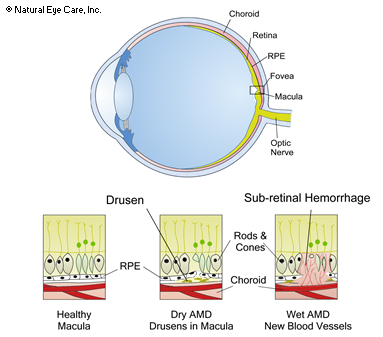
·         Macular degeneration, night blindness
·         Impaired taste and smell
·         Impaired wound healing
Maternal zinc deficiency may cause anencephaly in the fetus.

Any supplements of zinc should be balance with copper in a 8-10:1-2 ratio as zinc competes with copper for absorption and taking zinc without copper may lead to copper deficiency. If one has celiac or gluten sensitivity, one might already be copper deficient too,so don't take any chances and take zinc with copper.


Welcome to CeliacBrain-400% increased risk of death by age 65 in undiagnosed celiacs

Welcome to CeliacBrain.


I have been studying Celiac disease and its other manifestation, gluten sensitivity since 1995 and I have become aware of its serious, dangerous, hidden and virtually unknown consequences. I am a physician, practising since 1977, and have seen the devastating effects of celiac/gluten sensitivity and I have seen the remarkable turnaround of very seriously ill persons when they have been on a diet free of gluten.

This site is to spread the word of its serious and dangerous nature to those interested whether you are a physician, other health care professional, or a person in need of more information.

I propose to bring to you the newest in scientific research, links to other reputable celiac disease/gluten sensitivity websites, and other helpful articles or news items.


Many of the articles will focus on mental health issues as the brain seems to be the primary target of gluten's effects in the person susceptible to gluten damage.

Here is a video presentation by Dr. Murray from the Mayo clinic. which has stunning information about the shorten life expectancy of those who have gluten sensitivity (including persons with celiac disease) but are undiagnosed.  

400% increased risk of death by age 65 in undiagnosed celiacs 
Dr. Joseph Murray and his team from the Mayo clinic reported on a small but significant study they published in 2009. Not only was there an astronomically elevated death rate, but they noticed that there has been a 400% increase in the incidence of celiac disease since 1948.

Watch and listen to Dr. Murray:
 http://www.youtube.com/watch?v=DKwKQ7W9qlM


Here is a biography and professional profile of one of North America's most serious researchers in celiac disease.              http://mayoresearch.mayo.edu/mayo/research/staff/murray_ja.cfm

Note from Dr. Barbara Powell: all information on these pages is accurate to the best of my knowledge. Information from secondary sources should be double checked before being cited.